
Brand teardownsSkincare & beauty
One patented molecule.
Sold by the people
you trust with your hair.
Olaplex didn’t sell shampoo — it sold a patented, unpronounceable molecule that repairs hair bonds, and it let hairstylists sell it for them first. That salon credibility plus a numbered product system built a brand that IPO’d at a roughly $15 billion valuation. Here’s the teardown — cliff and all.
Start reading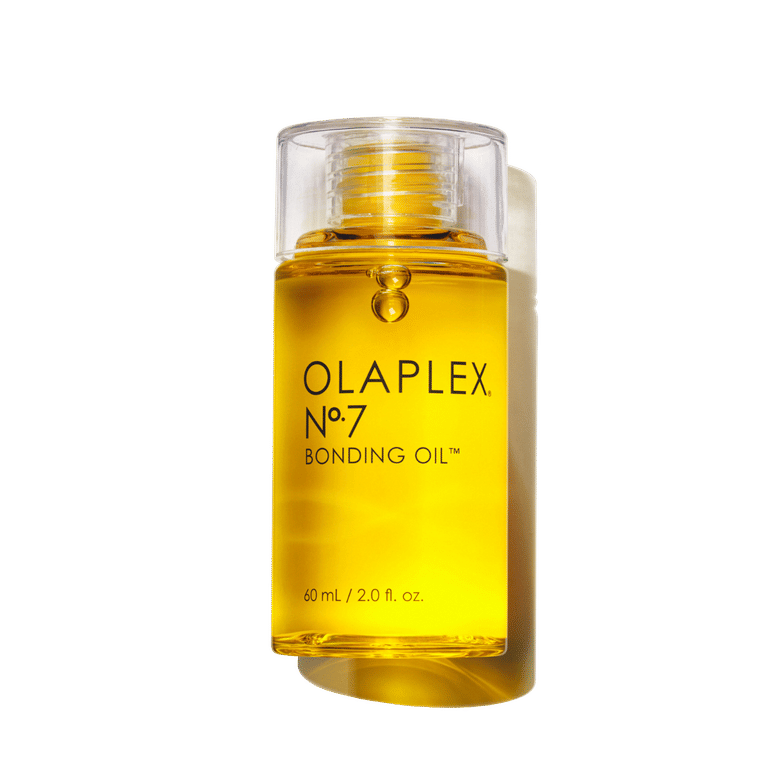
- 2021 IPO
- $15B
- EBITDA margin
- 60%+
- Founded
- 2014
- Patented bond tech
- 1
- Channel first
- Salon
- Numbered line
- Nº.0–10
The idea
Olaplex is two lessons in one: how to build a category-defining brand, and how quickly that brand can wobble. The build was brilliant.
Instead of another shampoo, Olaplex sold a single patented molecule — a bond-builder that literally repairs damaged hair — and it launched through salons, so the first people selling it were the professionals customers already trust. A numbered product system (Nº.0 through Nº.10) turned that credibility into a collectible routine, and the brand IPO’d at a roughly $15 billion valuation with margins most companies only dream of.
By the end you’ll have the seven plays behind owning a patented ingredient and letting the experts sell it — each with a “steal this,” plus the cautionary half most breakdowns skip.
They didn’t sell a product. They sold a molecule.
Founded in 2014 by Dean and Darcy Christal, Olaplex commercialized a patented bond-building chemistry that repairs the broken disulfide bonds in damaged hair — genuinely novel science with a mouthful of a name (bis-aminopropyl diglycol dimaleate). Crucially, they launched it professional-first: colorists and stylists used it in the chair, so the product arrived with built-in expert endorsement before it ever hit a consumer’s cart.
Then they made it a system — Nº.0 through Nº.10 — so customers collected steps like a regimen, and rode a wave of TikTok before-and-afters that made Nº.3 a phenomenon. Olaplex IPO’d in 2021 at a ~$15B valuation with 60%+ EBITDA margins. And then the cliff: as L’Oréal, K18 and a flood of “bond-builders” arrived and the hype cooled, revenue slid from its ~$704M peak.
“Don’t sell a bottle. Sell a molecule no one else is allowed to make.”The Olaplex operating principle
The receipts — a rise, and a cliff
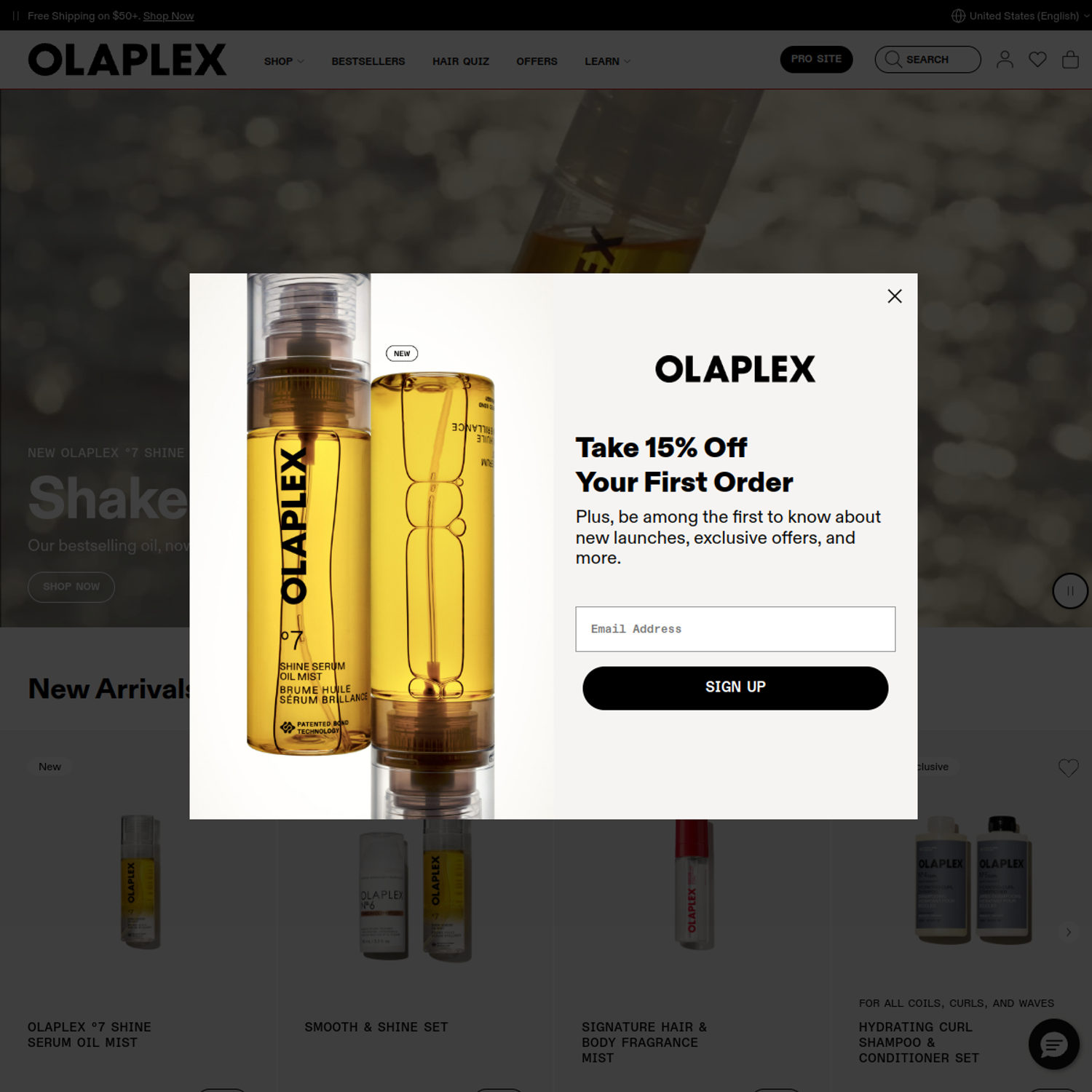
Public filings · annual revenueTheir storefront, captured live.
Look at what the site foregrounds: a “PRO SITE” for stylists, the numbered system, and the patented technology. Credibility, first.
The plays
Seven moves behind Olaplex.
Move 01 of 07
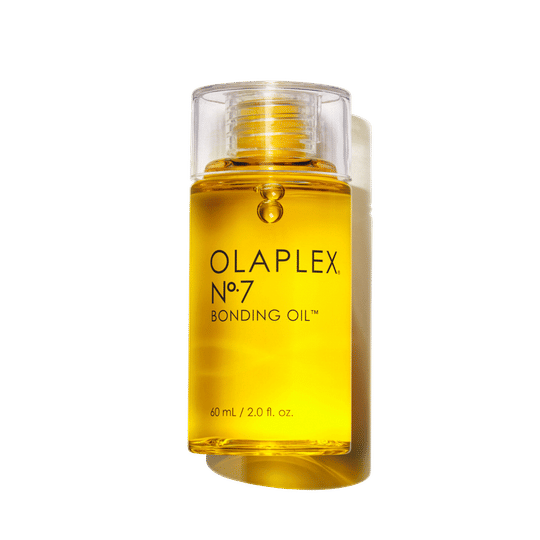
Own a patented molecule, not a category
Olaplex’s bond-builder is intellectual property competitors literally cannot copy. That patent is a real, legal moat — and a story no shampoo brand can tell. A defensible mechanism beats a marketing claim every time.
Move 02 of 07
Let the experts sell it first
Olaplex launched salon-only, so stylists — the people customers already trust with their hair — became the sales force and the credibility. Then it rode that trust to retail. A pro’s recommendation converts better than any ad.
Move 03 of 07
Number your line into a system
Nº.0 through Nº.10 turns individual products into a set to complete. Numbering makes the routine legible and nudges customers to collect the next step.
Move 04 of 07
Make the science the brand
“Bond-building,” patented tech, dramatic before-and-afters — Olaplex leads with a credible, named mechanism. In beauty, a believable “why it works” is what unlocks premium pricing.
Move 05 of 07
Bridge professional to consumer
The same molecule sells in the salon, on DTC, and on retail shelves — credibility flowing from one channel to the next. The dual channel multiplies reach and trust.
Move 06 of 07
Feed the virality when it hits
TikTok before-and-afters turned Nº.3 into a viral phenomenon; Olaplex leaned in and productized the demand. Organic virality is free demand you can convert if you’re ready.
Move 07 of 07
Protect margin with a focused hero
A tight, patented, high-margin line delivered 60%+ EBITDA. Depth on a few hero SKUs funded the whole brand.
The trade-offs
A patent expires. A trend moves. The cliff is real.
Be clear-eyed — Olaplex is the cautionary half of its own playbook. After IPO’ing at ~$15B, revenue slid from a ~$704M peak toward ~$434M as L’Oréal, K18 and a wave of “bond-builder” competitors arrived and the TikTok hype cooled. A patented molecule is a moat until the patent, the trend, or the novelty fades — and a brand over-indexed on one hero SKU and one viral moment is dangerously exposed when either moves. Own the science, but keep innovating the line, refreshing the demand, and diversifying beyond the one product that made you, before the cliff finds you.
The Olaplex playbook on one screen.
- Own a molecule. Patented IP is a moat competitors can’t copy.
- Pros sell it first. Salon credibility before the consumer cart.
- Number the system. Nº.0–10 turns products into a routine.
- Science is the brand. A believable mechanism unlocks premium price.
- Pro + consumer. A dual channel multiplies trust and reach.
- Feed virality. Catch the wave; be ready with supply.
- Focused, high-margin. Depth on heroes funds the brand — but keep innovating.
Keep reading.
All teardowns
Ready when you are
Put these playbooks to work.
Bring us the brand you’re building. We’ll show you what the launch, the offer, and the field could look like in Fluid.
Book a demo