
Brand teardownsSkincare & beauty
No VC.
One famous founder.
$160M a year.
Bobbi Brown started over at 63 — no outside investors, no venture capital — and built Jones Road to $160M a year by being the face, the voice, and the person you buy from. In beauty, people don’t buy brands. They buy people. Here’s the teardown.
Start reading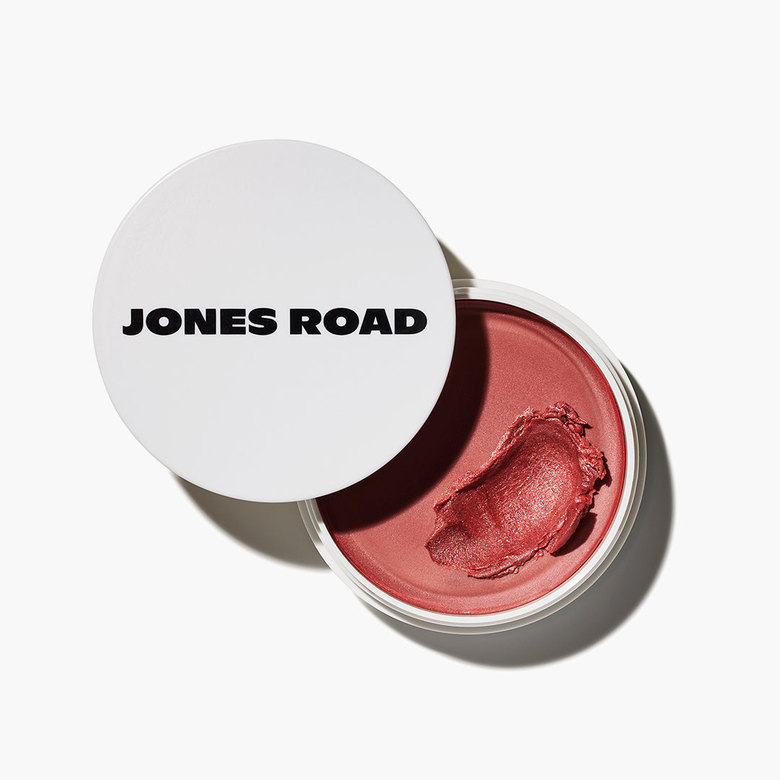
- 2024 revenue
- $160M
- Year-one revenue
- $20M
- Founded
- 2020
- VC raised
- $0
- From Miracle Balm
- 30%
- Founder’s age at start
- 63
The idea
In beauty, the brand people trust most isn’t a logo — it’s a person. Jones Road is the proof.
Bobbi Brown, the makeup artist who built and lost her name to a conglomerate, started over in 2020 at 63 with $2 million of her own money, no VC, and one radical asset: herself. She’s the founder, the face, the TikTok creator, and the voice that answers the critics. Customers aren’t buying a jar of balm — they’re buying Bobbi’s taste and Bobbi’s word. That’s how a bootstrapped brand hit $160M a year.
By the end you’ll have the seven plays behind building a $160M brand on a founder people actually trust — each with a “steal this” you can run tomorrow.
They didn’t build a brand. They trusted a person.
Bobbi Brown sold her namesake brand to Estée Lauder decades ago and sat under a 25-year non-compete. The day it expired, she started again — Jones Road, 2020, $2M of her own money, no investors, family-owned. The product philosophy was “makeup, simplified”: skin-first, no-makeup makeup, anti-anti-aging. But the growth engine was Bobbi herself.
At 65 she became a genuine TikTok creator — unpolished tips, her real face, her real opinions — driving a 196% jump in site traffic. When a creator’s video mocked the “What The Foundation” product as greasy, Bobbi calmly stitched it with a how-to. Sales quadrupled and WTF became the best-seller. The founder didn’t hide from the internet; she was the marketing.
“People don’t want to buy from a brand. They want to buy from someone they trust.”The Jones Road operating principle
The receipts — a person, trusted
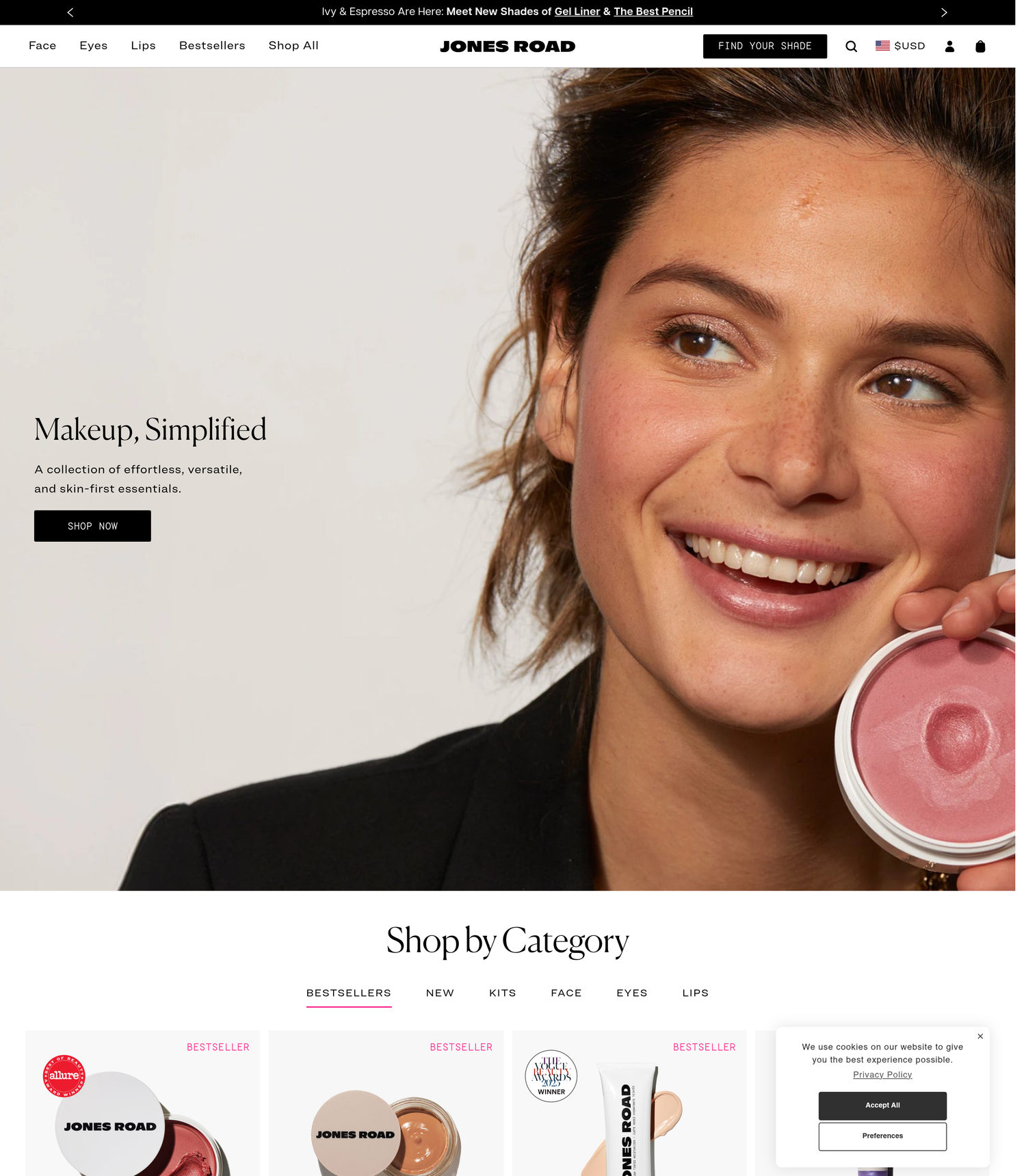
Public reporting · annual revenueTheir storefront, captured live.
“Makeup, Simplified” — a real face, freckles and all, holding the hero product. Notice what’s missing: gloss, retouching, and pretense.
The plays
Seven moves behind Jones Road.
Move 01 of 07
Make the founder the brand
Jones Road doesn’t market a faceless label — it markets Bobbi Brown. Her name, taste, and reputation are the product’s biggest asset. In a category built on trust, a real, credible human out-converts any logo or campaign.
Move 02 of 07
Show up as a real human
At 65, Bobbi posts unpolished TikToks — her real face, real tips, real opinions — and it drove a 196% traffic jump. The lack of polish is the credibility. Perfection reads as advertising; realness reads as a friend.
Move 03 of 07
Answer your critics yourself
When a viral video trashed “What The Foundation,” Bobbi didn’t hide — she stitched it with a calm how-to. Sales quadrupled and WTF became the best-seller. Facing criticism personally turns a takedown into a trust-building moment.
Move 04 of 07
Let one hero product be the front door
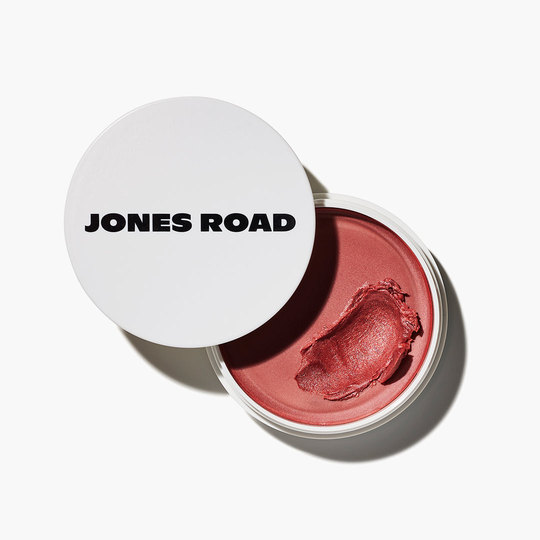
Miracle Balm is ~30% of sales for a reason: it’s the easy, low-risk first purchase that introduces the whole line. A single beloved product does more customer acquisition than any ad.
Move 05 of 07
Take a clear stance
Jones Road is “makeup, simplified” — skin-first, no-makeup makeup, explicitly anti-anti-aging. That point of view gives customers something to belong to and a reason to choose it over a hundred neutral alternatives.
Move 06 of 07
Own it — skip the VC
Bootstrapped with $2M and family-owned, Jones Road answers to no investors. That control keeps the founder’s voice undiluted and the margins intact — the two things that make the people-buy-from-people model work.
Move 07 of 07
Turn a launch into an event
On Black Friday 2023, Jones Road sold 375,000 Mini Miracle Balm kits at $68.40 — roughly $25M in a single event. By making one hero product a limited moment, a routine sale became a spike the whole audience showed up for.
The trade-offs
When the founder is the brand, the founder is also the risk.
Be clear-eyed. A person-led brand is only as durable as the person. Key-person risk is real: if Bobbi Brown steps back, gets sick, or simply tires of being “always on,” the engine that drives the brand slows with her. Authenticity also can’t be faked or fully delegated — hand the founder’s voice to an agency and customers feel it instantly. And a single hero product (30% of sales) plus a single hero human is concentration on top of concentration. The people-buy-from-people model is extraordinarily efficient while the founder is engaged; the hard part is building a brand and a bench that can outlast any one face.
The Jones Road playbook on one screen.
- The founder is the brand. People buy from a person they trust, not a logo.
- Show up real. Unpolished, founder-led content beats glossy ads.
- Answer critics yourself. Own the moment; a takedown becomes trust.
- One hero front door. Miracle Balm acquires the customer; the line keeps them.
- Take a stance. A clear POV creates belonging.
- Skip the VC. Ownership protects the voice and the margins.
- Make launches events. Turn the hero product into a moment.
Keep reading.
All teardowns

Ready when you are
Put these playbooks to work.
Bring us the brand you’re building. We’ll show you what the launch, the offer, and the field could look like in Fluid.
Book a demo