
Brand teardownsSkincare & beauty
6M devices sold.
$103M on TikTok.
Off one $230 gadget.
Medicube turned a $230 skincare gadget into the top-selling beauty brand on TikTok Shop — and dragged an entire routine of serums along with it. We pulled their sales, their ads, and their storefront. Here’s the teardown.
Start reading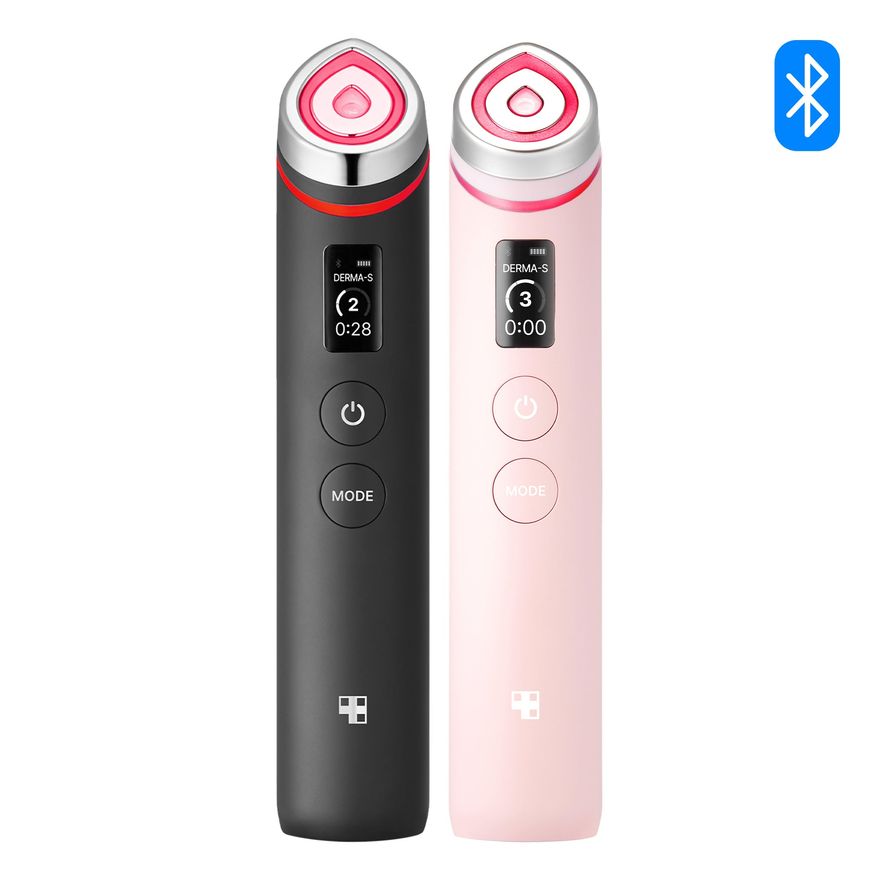
- TikTok Shop revenue
- $103M
- Age-R devices sold
- 6M+
- Booster Pro (#1 SKU)
- $230
- Parent APR growth
- +123%
- Ulta doors
- 1,400
- Avg likes / post
- 2,641
The idea
A $230 skincare gadget outsells every serum around it — and pulls those serums into the cart with it. That’s the first thing that should stop you about Medicube.
Most beauty brands lead with a hero cream. Medicube leads with a device, then builds an entire routine designed to be used with it. For any brand that sells a device — the model looks awfully familiar.
By the end you’ll have the seven plays behind a K-beauty juggernaut that did $103 million on TikTok Shop and sold 6 million devices worldwide — each with a “steal this” you can run tomorrow.
A “medical” gadget from Seoul, engineered for TikTok.
Medicube is the flagship brand of APR Corp, a Seoul beauty-tech company that rode the K-beauty wave to a blockbuster IPO — its founder became a paper billionaire on the back of TikTok buzz. The brand’s whole identity is in the logo lockup: “medicube — K-Beauty Tech.” Not a cream company. A device company that happens to sell serums.
That framing is the strategy. Parent APR grew revenue 123%, now earns over 70% of revenue overseas, and the US is its fastest-growing market. The engine underneath it all:
“A demo-able product doesn’t need a channel. It needs a stage.”The Medicube operating principle
The receipts — US storefront, climbing
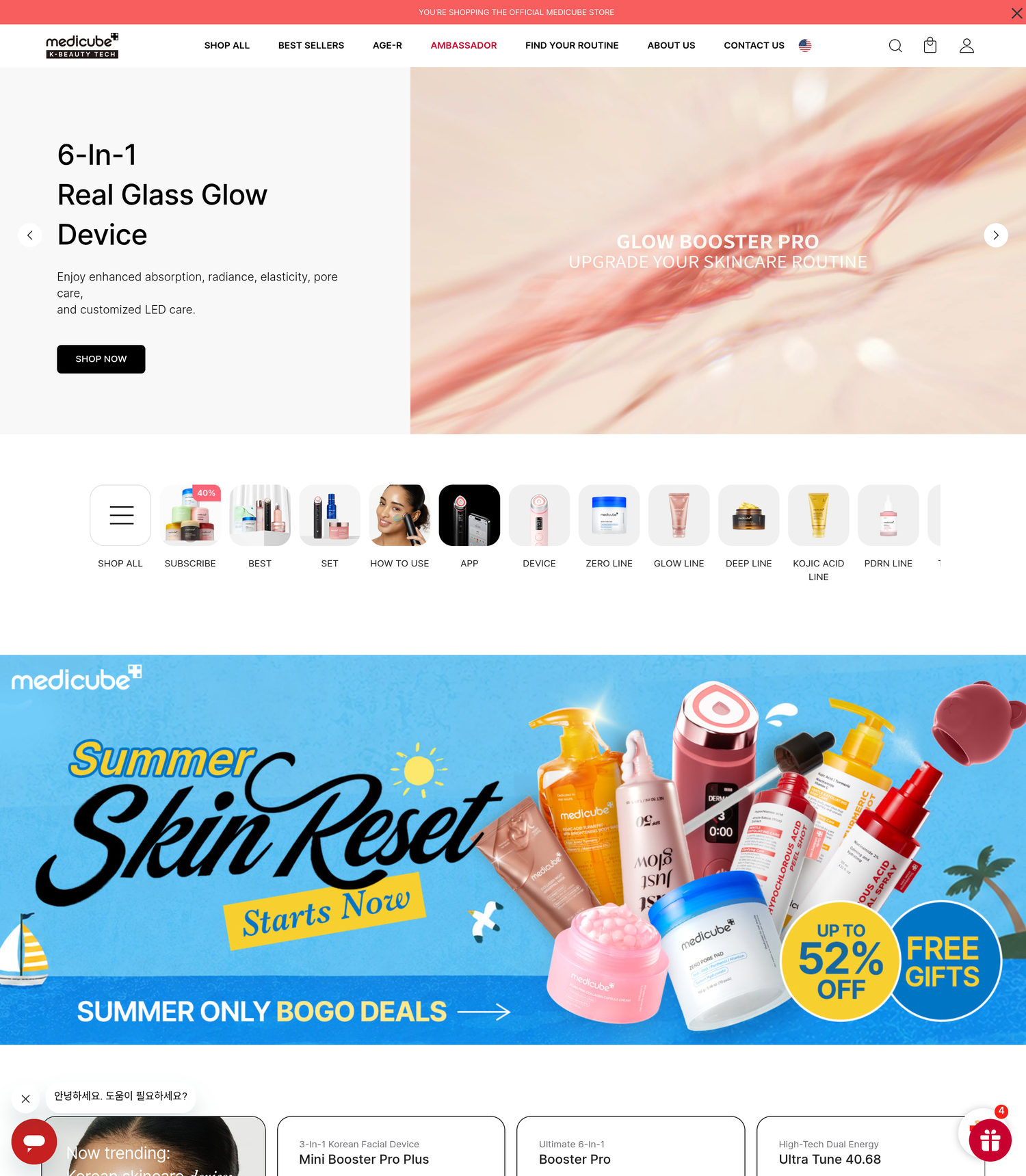
Fluid Intelligence Desk · June 2026 · USDTheir storefront, captured live.
The plays
Seven moves behind Medicube.
Move 01 of 07
Make the device the hero
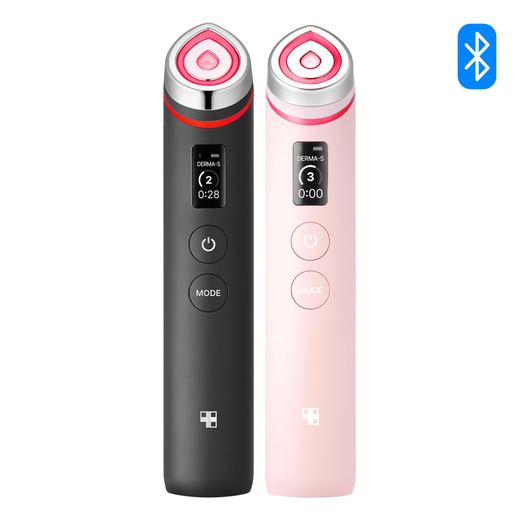
Medicube’s #1 revenue product isn’t a serum — it’s the Booster Pro, a $230 microcurrent-and-LED device. Cumulatively, Age-R devices have sold over 6 million units. The gadget is the highest-ticket, highest-status entry point, and everything else in the catalog exists to orbit it. Lead with the hardware, and the brand instantly reads as “tech,” not “another cream.”
Move 02 of 07
Razor-and-blades: the device sells the routine
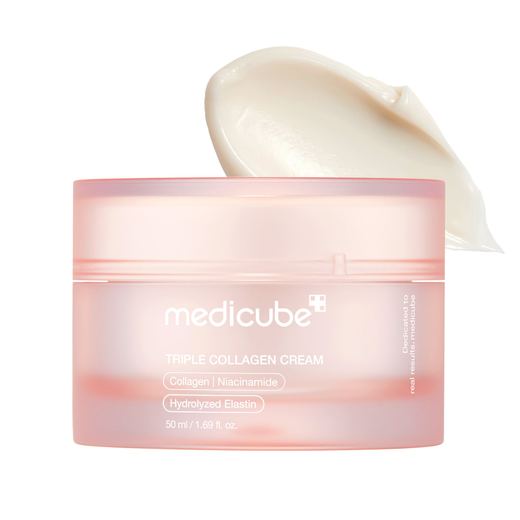
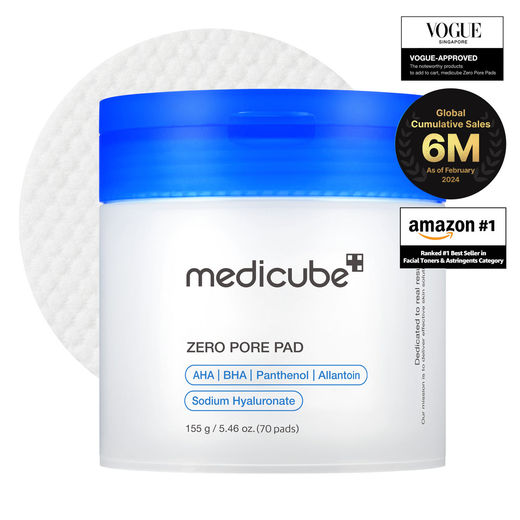
Here’s the compounding move. The Booster Pro is a one-time, high-ticket buy — but it only works paired with serums and creams “to boost absorption.” So a $230 device purchase pulls the customer into a repeat-purchase ecosystem: PDRN serum, collagen cream, pore pads, all designed to be used with the device. One gadget sale becomes a subscription in disguise.
Move 03 of 07
Surf the ingredient wave — PDRN “salmon DNA”
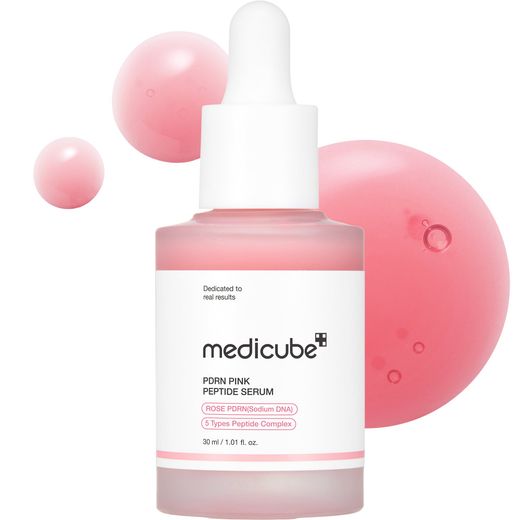
PDRN — marketed as “salmon DNA” — became the viral K-beauty molecule of the moment, and Medicube built a whole pink line around it. The serum doesn’t hide the science; it puts it on the label as a badge. It’s the same move as any great trend-surf: name the thing the customer is already curious about, right on the box. Straight from the bottle:
Move 04 of 07
Win on demonstration, not description
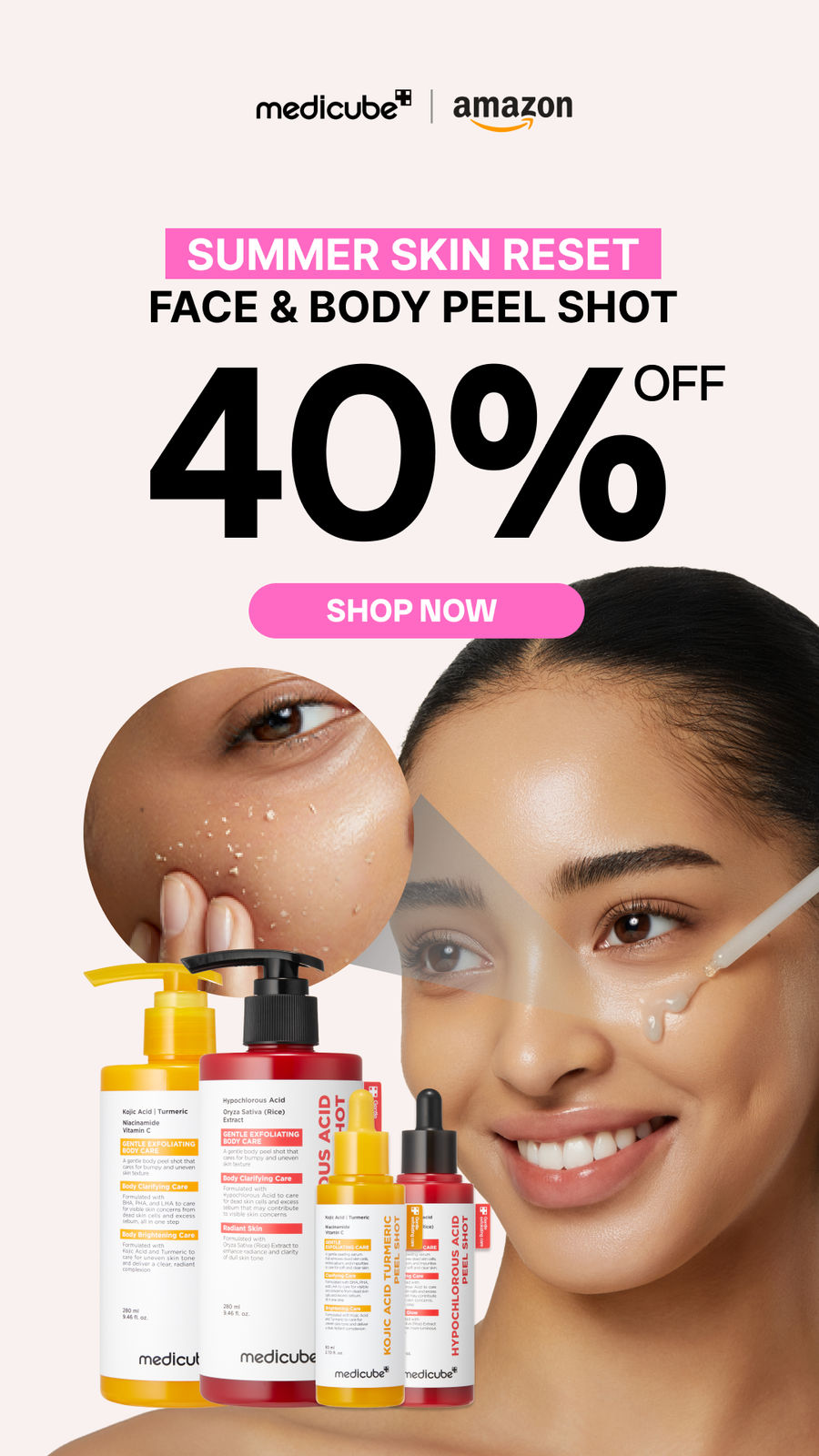
You can’t sell a device with a spec sheet — you sell it by showing it work. Medicube leans entirely on proof you can watch: before-and-afters, glass-skin glow-ups, and full device masterclasses (a Booster Pro X2 session with “Dr. Fab” for editors and influencers in London). Every asset answers one question: what does it do to a real face?
Move 05 of 07
Sell in the same breath as the demo
Here’s the mechanic underneath the numbers. Medicube never makes you leave the demo to go buy — the second you watch the device work, the buy button is right there. That collapse of demonstration and checkout did $102.9M and 1M+ units, and the Booster Pro X2 launched into a shoppable video before it ever hit a shelf. The lesson isn’t “go rent a marketplace” — it’s that a demo-able product should be buyable the instant it’s shown, on a surface you control.
One tracked week of drops
Seven days, seven drops — devices, lines, and format extensions, feeding the feed non-stop.
Move 06 of 07
Launch like a media company
Look at that week again: a new device promo, a new line, a fragrance mist, a hair mask — almost every single day. Medicube treats its ingredient “lines” (PDRN, Zero, Glow, Deep, Kojic Acid) as franchises it can keep extending: PDRN skincare becomes PDRN hair, becomes a limited-edition set. Every drop is a fresh reason to post, to reorder, and to go viral — off a catalog that’s really just a handful of hero lines.
Move 07 of 07
Cash the viral demand at retail
The final move: convert TikTok heat into shelf space. On the back of the viral run, Medicube rolled into Lookfantastic and 1,400 Ulta Beauty doors across the US in a matter of months, while parent APR pushed past 70% overseas revenue. The organic proof shows in the data too — their posts average 2,641 likes, roughly 8x a typical DTC supplement brand. Viral built the demand; retail cashed it.
The trade-offs
“K-Beauty Tech” is a claim you have to back.
Be clear-eyed. Framing a $230 gadget as medical-grade “tech,” and a serum as “salmon DNA,” is brilliant positioning — and it lives in a scrutinized zone. At-home beauty devices that imply clinical results draw FDA attention, and PDRN’s topical benefits are still emerging science, not settled fact. Novel-ingredient and device-efficacy claims are exactly what regulators and skeptics probe first. The lesson isn’t “don’t sell the sizzle” — it’s that a tech-forward claim buys attention and obligation. If you run this play, keep the demo honest and the fine print real.
The Medicube playbook on one screen.
- Make the device the hero. The gadget is the face of the brand, not a footnote.
- Razor-and-blades. The device wins the customer; the serums keep them.
- Surf the ingredient. “PDRN / Sodium DNA” on the label does the explaining.
- Demonstrate, don’t describe. Before/afters and masterclasses over spec sheets.
- Sell in the same breath as the demo. The buy button belongs where the demo happens — on a surface you own.
- Launch like media. Extend ingredient lines into new formats, almost daily.
- Cash it at retail. Viral demand → Lookfantastic + 1,400 Ulta doors.
Keep reading.
All teardowns
Ready when you are
Put these playbooks to work.
Bring us the brand you’re building. We’ll show you what the launch, the offer, and the field could look like in Fluid.
Book a demo